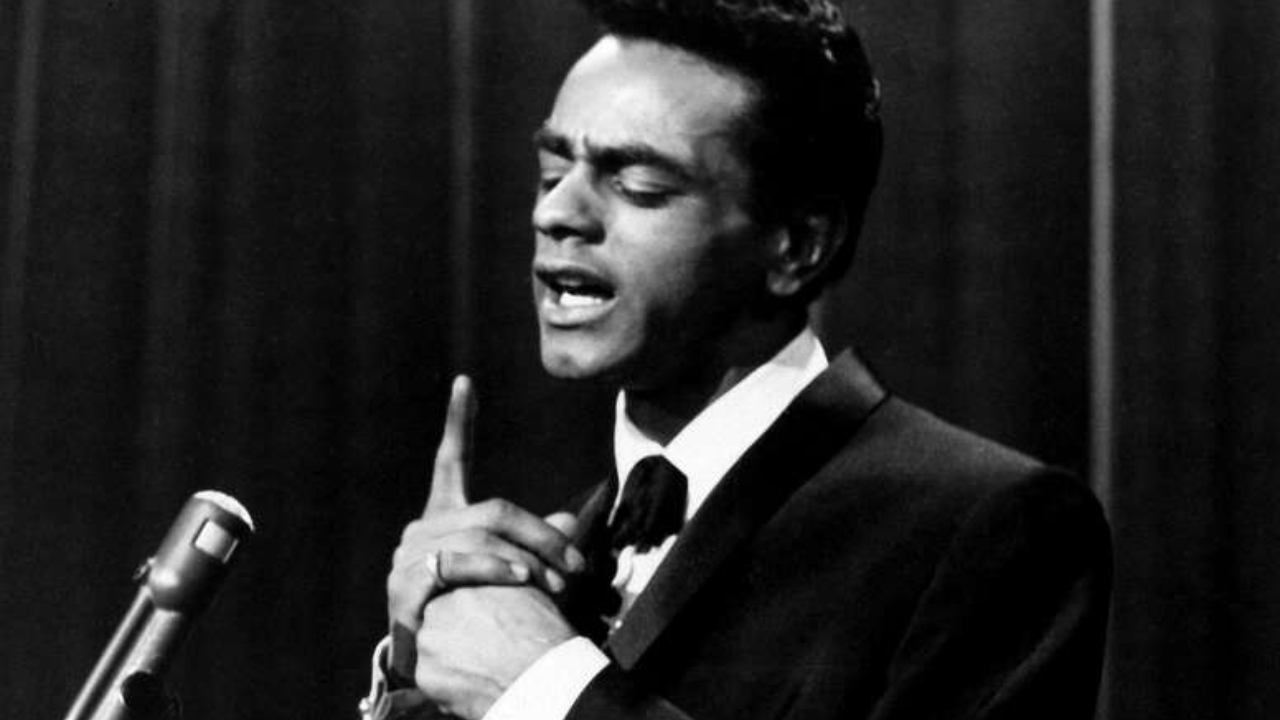
Video
Lyrics
🎵 Let’s sing along with the lyrics! 🎤
Chances are, ’cause I wear a silly grin
The moment you come into view;
Chances are you think that I’m in love with you.Just because my composure sort-of slips
The moment that your lips meet mine,
Chances are you think my heart’s your Valentine.In the magic of moonlight,
When I sigh “hold me close, dear”
Chances are you believe
The stars that fill the skies are in my eyes.Guess you feel you’ll always be
The one and only one for me
And if you think you could,
Well, chances are your chances are awfully good!
The moment you come into view;
Chances are you think that I’m in love with you.Just because my composure sort-of slips
The moment that your lips meet mine,
Chances are you think my heart’s your Valentine.In the magic of moonlight,
When I sigh “hold me close, dear”
Chances are you believe
The stars that fill the skies are in my eyes.Guess you feel you’ll always be
The one and only one for me
And if you think you could,
Well, chances are your chances are awfully good!
The chances are your chances are awfully good!