
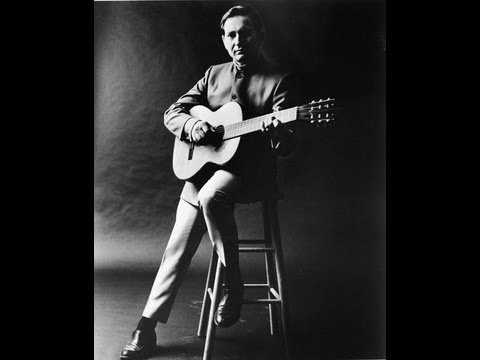
Willie Nelson’s “Crazy”: A Timeless Classic in Music History
In the realm of American music, few songs possess the enduring quality and emotional depth of Willie Nelson’s “Crazy.” Released in 1961, this poignant ballad has become synonymous with heartbreak and longing. It showcases not only Nelson’s unique vocal style but also the intricate artistry of songwriting that has influenced countless musicians across genres. This article delves into the significance of “Crazy,” its impact on music history, and the legacy it continues to uphold.
Willie Nelson: A Cornerstone of Music
Willie Nelson is more than just a musician; he is a cultural icon whose influence stretches across decades. Born on April 29, 1933, in Abbott, Texas, Nelson’s journey in music began at a young age. He initially found success as a songwriter in the 1960s, penning hits for artists like Patsy Cline and Faron Young. However, it was his distinctive voice, lyrical prowess, and unique blend of country, folk, and blues that propelled him to stardom. With a career spanning over six decades, Nelson has become a cornerstone of American music, embodying the spirit of resilience and creativity. His contributions to the genre are immeasurable, with “Crazy” standing out as one of his most beloved works.
The Era of “Crazy”
“Crazy” was released during a transformative time in American music. The early 1960s marked a period of experimentation and innovation, particularly in the country music genre. Nashville was evolving, and artists began to explore broader themes in their songwriting. Nelson penned “Crazy” in 1961, a time when country music was experiencing a shift towards a more polished and commercial sound. The song was originally recorded by Patsy Cline, whose rendition became a massive hit and helped solidify the tune’s place in music history. This era was characterized by a blend of traditional country elements with pop influences, setting the stage for the song’s enduring appeal.
Songwriting Credits and Significance
“Crazy” was co-written by Willie Nelson and the legendary songwriter, and producer, Fred Rose. The combination of Nelson’s heartfelt lyrics and Rose’s refined production techniques resulted in a song that resonated deeply with audiences. The collaboration exemplifies the importance of songwriting partnerships in the music industry, showcasing how different perspectives can elevate a composition. The song’s narrative, steeped in vulnerability and melancholy, has made it a staple for artists across genres, signifying its universal relevance. Nelson’s ability to convey profound emotions through simple yet evocative lyrics remains a hallmark of his songwriting prowess.
The Storyline of “Crazy”
The storyline of “Crazy” revolves around the themes of lost love and heartache. The narrator expresses feelings of longing and despair, reflecting on a relationship that has slipped away. The lyrics capture the essence of vulnerability, as the narrator questions their worth and laments the pain of separation. The simplicity of the storyline belies its emotional complexity, allowing listeners to identify with the sentiments conveyed. This relatability is a key factor in the song’s lasting appeal, as it speaks to the universal experience of love and loss, transcending time and cultural boundaries.
Lyrical and Thematic Analysis
The lyrics of “Crazy” are a masterclass in emotional storytelling. Nelson’s use of vivid imagery and poignant language evokes a sense of nostalgia and yearning. Lines like “I’m crazy for trying and crazy for crying” illustrate the internal conflict faced by the narrator, encapsulating the pain of unrequited love. The repetition of the word “crazy” serves as a powerful motif, emphasizing the irrationality of love and the lengths people go to for connection. Themes of vulnerability, resilience, and the complexities of human emotions permeate the song, making it an enduring piece of art that resonates with listeners of all ages.
Vocal Delivery and Emotional Interpretation
Willie Nelson’s vocal delivery of “Crazy” is a testament to his artistry. His signature baritone voice, characterized by its warmth and distinctive phrasing, infuses the song with an emotional depth that is palpable. Nelson’s ability to convey raw emotion through subtle vocal nuances—such as the quiver in his voice during key moments—draws listeners into the narrative. His interpretation of the song is both heartfelt and authentic, allowing audiences to connect with the emotions he expresses. This connection has been pivotal in the song’s success, as listeners can feel the sincerity behind each word.
Instrumentation and Production Style
The instrumentation of “Crazy” complements its lyrical content beautifully. The song features a lush arrangement characterized by a gentle piano melody, soft strings, and a subtle rhythm section, creating an atmosphere of intimacy and vulnerability. This production style, typical of the early 1960s Nashville sound, enhances the emotional weight of the lyrics. The understated instrumentation allows Nelson’s voice to take center stage, ensuring that the narrative remains the focal point. The simplicity of the arrangement, combined with the emotional depth of the lyrics, creates a timeless quality that has captivated listeners for generations.
Chart Performance and Cultural Impact
Legacy within Classic Music
The legacy of “Crazy” is undeniable. It has become a touchstone in the world of music, often regarded as one of the greatest country songs of all time. Its influence can be seen across genres, as artists from various backgrounds have drawn inspiration from its poignant storytelling and emotional resonance. The song has been inducted into the Grammy Hall of Fame and continues to be celebrated in music circles and beyond. Nelson’s “Crazy” stands as a testament to the power of music to evoke emotion, tell stories, and connect people across generations. As new artists emerge and the music landscape evolves, “Crazy” remains a timeless classic that will undoubtedly endure for years to come.