
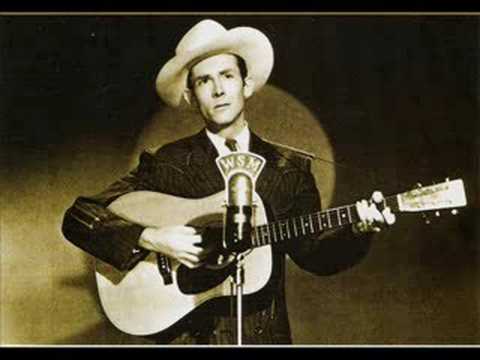
Hank Williams’ “Move It On Over”: A Timeless Classic in Music History
In the pantheon of American music, few songs have captured the spirit of a genre quite like Hank Williams’ “Move It On Over.” Released in 1947, this track not only epitomized the honky-tonk sound but also became a touchstone for country music, influencing countless artists and shaping the genre for generations to come. As we explore this classic, we will delve into its historical context, lyrical content, and the lasting impact it has had on both music and culture.
Hank Williams: A Cornerstone of Music
Hank Williams, born in 1923 in Mount Olive, Alabama, is often regarded as one of the most influential figures in country music history. His unique blend of honky-tonk, blues, and folk music created a sound that resonated deeply with audiences, making him a household name in the 1940s. Williams’ songwriting prowess and emotive vocal delivery allowed him to connect with listeners on a personal level, establishing him as a cornerstone of American music. Throughout his short but impactful career, he recorded numerous hits that would later become standards, with “Move It On Over” being one of the most recognizable.
The Era of “Move It On Over”
“Move It On Over” was released at a time when country music was beginning to gain mainstream popularity. The late 1940s saw the rise of honky-tonk music, characterized by its lively rhythms and themes of heartbreak, love, and life’s struggles. This era marked a transition in country music, moving away from its traditional roots towards a sound that was more accessible to a broader audience. Williams played a crucial role in this evolution, and “Move It On Over” exemplifies the honky-tonk style that was taking the country music scene by storm. Its infectious melody and relatable lyrics captured the essence of the era, making it a definitive track of the time.
Songwriting Credits and Significance
“Move It On Over” was penned by Hank Williams himself, showcasing his exceptional talent as a songwriter. The song was released as part of Williams’ early body of work, which included other classics such as “Your Cheatin’ Heart” and “Hey, Good Lookin’.” Williams’ ability to craft songs that told poignant stories in a straightforward manner set him apart from many of his contemporaries. The significance of “Move It On Over” lies not only in its catchy tune but also in its lyrical content, which resonates with themes of love, loss, and resilience. The song has since been covered by a multitude of artists, further cementing its place in music history.
The Storyline of “Move It On Over”
The narrative of “Move It On Over” revolves around the theme of heartbreak and the emotional aftermath of a romantic relationship gone awry. The song’s protagonist finds himself in a situation where his partner has chosen to leave him, leading to a sense of betrayal and longing. The titular phrase “move it on over” serves as a metaphor for the need to make space for new beginnings, signifying both physical and emotional movement. This relatable storyline has allowed listeners from various backgrounds to connect with the song, making it timeless in its appeal.
Lyrical and Thematic Analysis
Williams’ lyrics in “Move It On Over” are marked by their simplicity and directness, a hallmark of his songwriting style. The song captures the essence of heartbreak through vivid imagery and relatable emotions. Lines such as “Move it on over, move it on over, move over little dog, a big old hound’s movin’ in” create a playful yet poignant contrast between the lightheartedness of the melody and the depth of the subject matter. Thematically, the song addresses the pain of separation while simultaneously offering a sense of hope and resilience, encouraging listeners to embrace change and move forward.
Vocal Delivery and Emotional Interpretation
Hank Williams’ vocal delivery in “Move It On Over” is a masterclass in emotional interpretation. His voice carries a raw, heartfelt quality that conveys the depth of his feelings, allowing listeners to feel the protagonist’s pain and longing. The interplay of his smooth tenor and the song’s upbeat tempo creates a juxtaposition that enhances the emotional impact. Williams’ ability to infuse his performance with authenticity and vulnerability is a testament to his artistry, making “Move It On Over” not just a song but an experience that resonates deeply with audiences.
Instrumentation and Production Style
The instrumentation of “Move It On Over” reflects the honky-tonk style that dominated the country music scene in the late 1940s. The song features a lively arrangement with prominent steel guitar, fiddle, and traditional rhythm instruments that give it a distinctive sound. The production style is relatively straightforward, allowing Williams’ voice and the lyrics to take center stage. This minimalist approach highlights the song’s catchy melody and infectious energy, inviting listeners to tap their feet and sing along. The blend of instruments creates a vibrant atmosphere that perfectly complements the song’s themes of love and heartache.
Chart Performance and Cultural Impact
Upon its release, “Move It On Over” quickly climbed the charts, reaching number 4 on the Billboard Country charts. This commercial success solidified Williams’ status as a leading figure in the country music genre and helped pave the way for future artists. The song’s cultural impact cannot be overstated, as it has been covered by numerous musicians across various genres, including rock, blues, and pop. Notable covers by artists such as George Jones, Elvis Presley, and The Allman Brothers Band demonstrate the song’s enduring appeal and versatility. “Move It On Over” has become a staple in American music, frequently played at live performances and events, showcasing its lasting relevance.
Legacy within Classic Music
The legacy of “Move It On Over” extends far beyond its initial release. Hank Williams’ influence can be seen in the work of countless artists who have drawn inspiration from his songwriting and vocal style. The song is often regarded as a precursor to the rockabilly movement, connecting country music to the emerging rock genre in the 1950s. Its themes of love, heartache, and resilience continue to resonate with audiences today, making it a timeless classic that transcends generations. As a testament to its significance, “Move It On Over” has earned its place in various music halls of fame and has been included in numerous “greatest songs” lists, ensuring that Hank Williams’ legacy will endure for years to come.
In conclusion, “Move It On Over” is more than just a song; it is a cultural landmark that showcases the brilliance of Hank Williams as a songwriter, performer, and storyteller. Its catchy melody, relatable lyrics, and emotional depth have solidified its place in the annals of music history. As we reflect on the impact of this timeless classic, we are reminded of the power of music to connect us, heal us, and inspire us to move forward, no matter the challenges we face.