
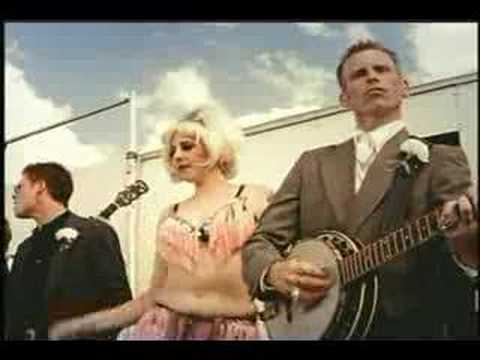
Old Crow Medicine Show’s “Wagon Wheel”: A Timeless Classic in Music History
In the world of modern Americana and folk music, few songs resonate as deeply as Old Crow Medicine Show’s “Wagon Wheel.” Released in 2013, this infectious anthem has woven itself into the fabric of American music culture. Its blend of heartfelt lyrics, catchy melody, and rich storytelling has made it a beloved staple across generations. This article delves into the nuances of “Wagon Wheel,” exploring its origins, themes, and impact on both the ensemble and the wider music scene.
Old Crow Medicine Show: A Cornerstone of Music
Formed in 1998 in Boone, North Carolina, Old Crow Medicine Show is a band that embodies the spirit of Americana. With their eclectic mix of bluegrass, folk, and roots music, they have established themselves as a cornerstone of the genre. The band, known for their high-energy performances and authentic sound, has garnered a loyal following and critical acclaim. Their music often draws from historical narratives and traditional folk themes, and “Wagon Wheel” is a prime example of their ability to blend storytelling with melody, making their work resonate with audiences across the country.
The Era of “Wagon Wheel”
“Wagon Wheel” was released as part of Old Crow Medicine Show’s album “O.C.M.S.” in 2013. However, its roots stretch back to the early 1970s when Bob Dylan penned the chorus during the sessions for his album “Planet Waves.” The song was later completed by Ketch Secor, the lead singer and fiddler of Old Crow Medicine Show, who incorporated Dylan’s unfinished work into a fuller narrative. By the time it hit the mainstream, “Wagon Wheel” had transcended its folk origins, entering the realm of modern classic rock. This transitional period in music, characterized by a resurgence of interest in acoustic sounds and storytelling, provided fertile ground for the song’s growth and popularity.
Songwriting Credits and Significance
The songwriting credits for “Wagon Wheel” are a testament to the collaborative spirit inherent in the music community. While Bob Dylan initially laid the foundation, it was Ketch Secor who crafted the verses and bridges, fleshing out the narrative into a complete song. The union of these two prominent figures in music history showcases the power of collaboration across generations. The significance of “Wagon Wheel” lies not only in its catchy hook but also in its embodiment of the Americana spirit, bridging the gap between past and present. The song’s ability to bring together various musical influences—from folk to bluegrass—highlights its importance in the evolution of contemporary American music.
The Storyline of “Wagon Wheel”
The narrative of “Wagon Wheel” follows a traveler’s journey, filled with longing and hope. The protagonist is on a quest to reunite with a loved one, navigating through the hardships of life and the longing for home. The imagery of the song evokes a sense of wanderlust, with references to traveling south, the comfort of familiar places, and the weight of nostalgia. The chorus, with its infectious sing-along quality, captures the essence of the journey, serving as both a literal and metaphorical wagon wheel that keeps rolling, symbolizing the relentless forward motion of life despite obstacles. This universal theme of searching for connection resonates with listeners, making it a relatable anthem for anyone who has ever felt adrift.
Lyrical and Thematic Analysis
Diving into the lyrics of “Wagon Wheel,” one can appreciate the vivid storytelling that Secor employs. The song is rich with imagery, referencing geographical landmarks and emotional states that evoke a sense of place and time. Lines like “Heading down south to the land of the pines” immediately conjure up pictures of the southern landscape, while the repeated refrain serves as a grounding force amidst the narrative’s longing and movement. Thematically, the song grapples with concepts of home, love, and the pursuit of happiness. It captures the bittersweet nature of journeys—both physical and emotional—highlighting the joys and struggles that accompany them.
Vocal Delivery and Emotional Interpretation
Secor’s vocal delivery in “Wagon Wheel” is both earnest and spirited, perfectly matching the song’s themes of yearning and adventure. His ability to convey vulnerability while maintaining an upbeat tempo creates a unique emotional landscape that invites listeners to join in the journey. The harmonies provided by the band enhance the vocal experience, creating a rich tapestry of sound that reinforces the sense of community and shared experience inherent in the song. The infectious energy of the chorus beckons audience participation, turning the song into a communal experience that transcends individual listening, inviting everyone to sing along and share in the emotion.
Instrumentation and Production Style
The instrumentation of “Wagon Wheel” is a hallmark of Old Crow Medicine Show’s traditional roots sound. Featuring acoustic guitars, banjos, fiddles, and mandolins, the arrangement is both simple and effective, allowing the lyrics and melody to shine. The production style leans towards a live, organic feel, which is characteristic of Americana and folk music. This approach not only honors the song’s historical roots but also gives it a timeless quality, making it accessible to a wide audience. The rhythmic drive of the instruments, combined with the catchy melody, creates a sense of movement that mirrors the song’s narrative of travel and adventure.
Chart Performance and Cultural Impact
“Wagon Wheel” has enjoyed impressive chart performance and cultural impact since its release. The song peaked at number 1 on the Billboard Bluegrass chart and reached the top of the Country charts as well, showcasing its wide appeal across genres. Additionally, the song has been covered by numerous artists, including country stars like Darius Rucker, whose version helped introduce “Wagon Wheel” to an even larger audience. This cross-pollination of genres has solidified its status as a modern classic, highlighting its ability to transcend musical boundaries and connect with diverse listeners. The song has also become a staple at festivals and gatherings, further embedding it into the cultural fabric of American music.
Legacy within Classic Music
The legacy of “Wagon Wheel” is cemented in its status as a contemporary classic. Its enduring popularity has not only revitalized interest in traditional folk and bluegrass music but has also inspired a new generation of musicians. The song’s simple yet profound message, coupled with its catchy melody, ensures that it will remain a beloved anthem for years to come. Old Crow Medicine Show’s ability to breathe new life into an unfinished Dylan lyric exemplifies the power of music to connect people across time and space. As listeners continue to sing along and share in the journey, “Wagon Wheel” will undoubtedly remain a touchstone in the world of American music, a testament to the beauty of storytelling in song.
“`