Category: Rock
-
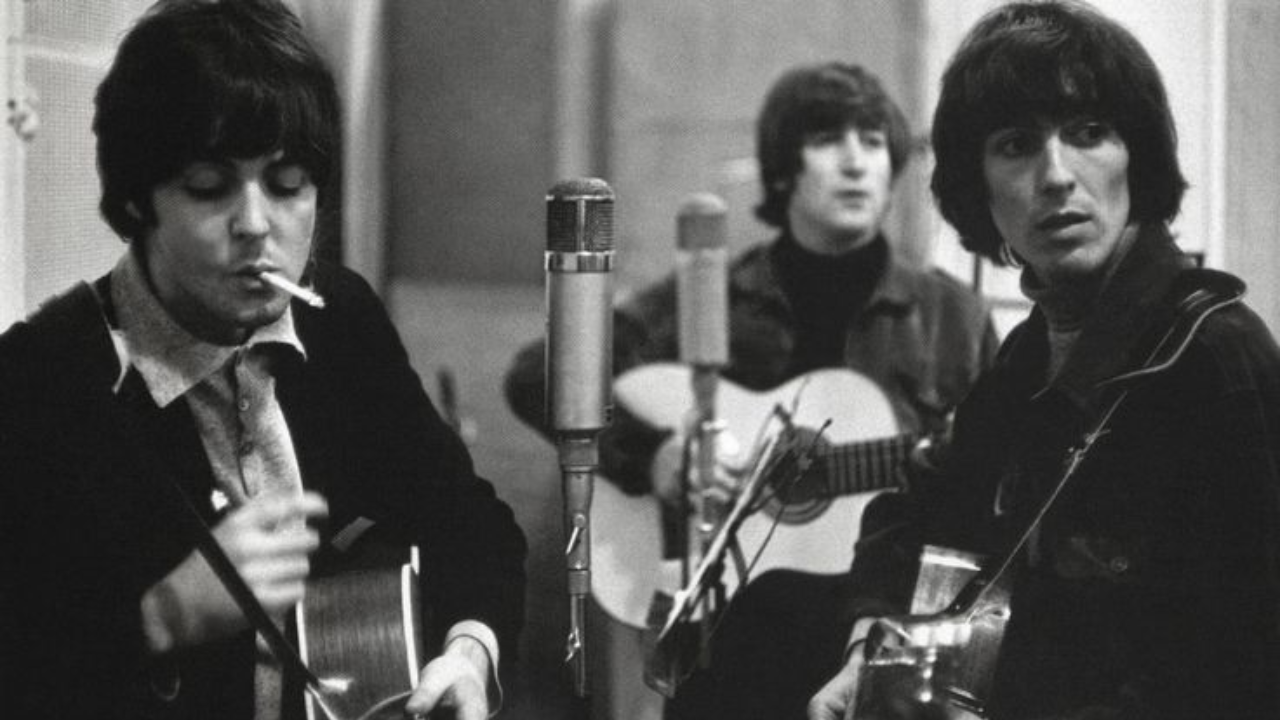
Michelle – The Beatles (1965)
“Michelle” occupies a fascinating space within The Beatles’ extensive catalog. It emerged during their pivotal “Rubber Soul” period, a time when their songwriting was becoming more sophisticated, introspective, and experimental. Released as a track on the album Rubber Soul, “Michelle” wasn’t initially considered a potential single in the UK, but its immense popularity led to its…
-
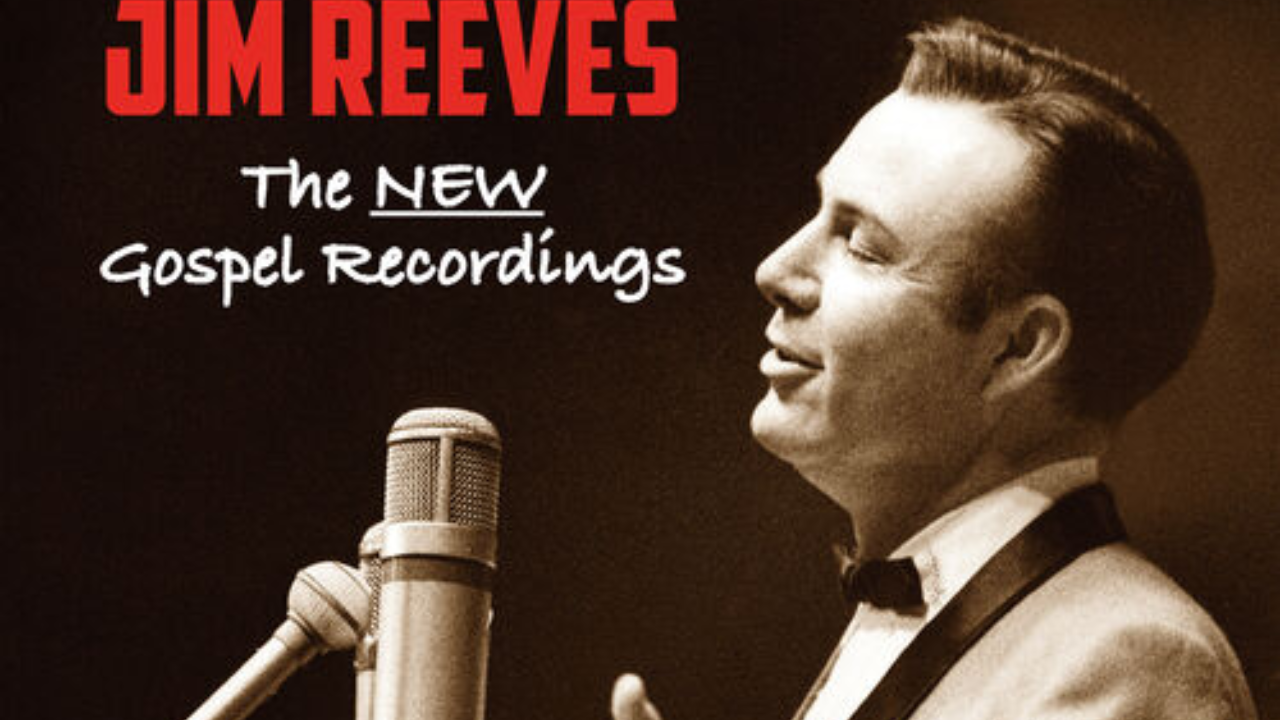
“Bimbo” – Jim Reeves (1953)
To fully understand “Bimbo,” we need to consider the musical landscape of the early 1950s. This was a period of significant change and experimentation in American popular music. Rock and roll was on the horizon, but traditional genres like country were still very much dominant. Country music, in particular, was undergoing a transformation, moving away…
-
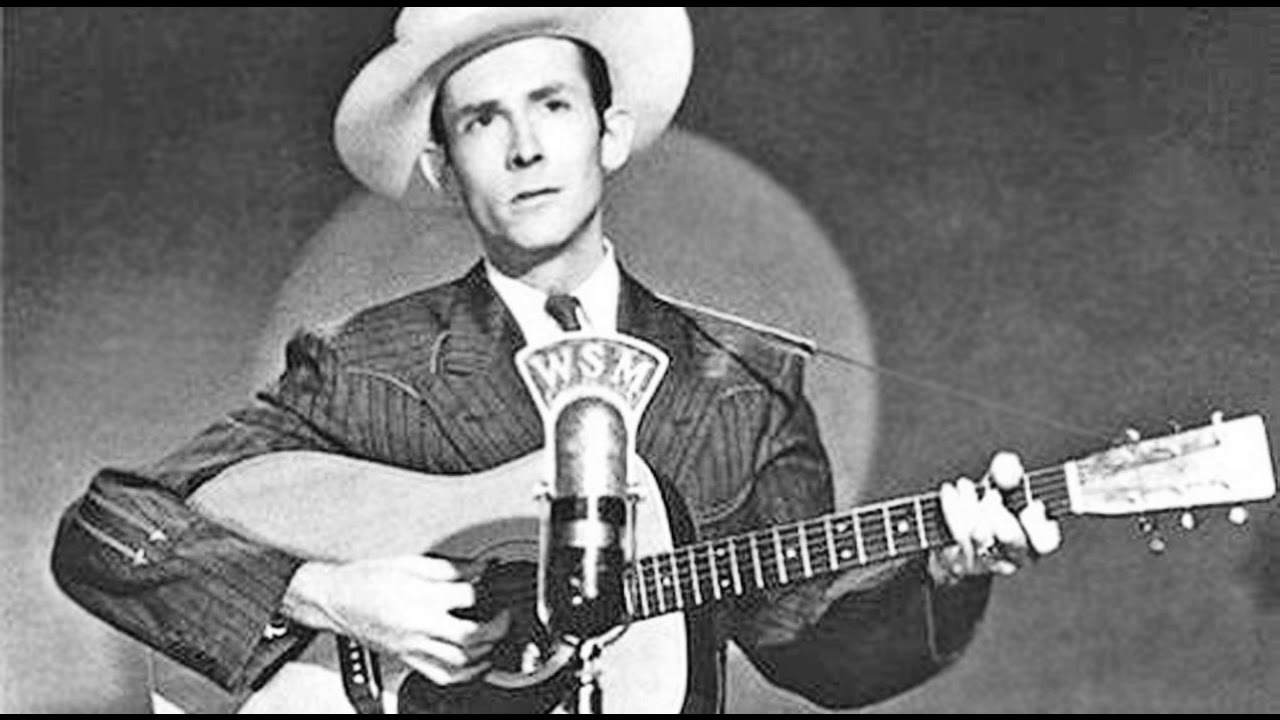
“Honky Tonk Blues” – Hank Williams (1952)
To fully grasp the significance of “Honky Tonk Blues,” we must understand the context of its creation and the environment that inspired it. The early 1950s were a crucial period in the development of country music, a time when the genre was solidifying its identity and exploring new sonic and thematic territories. Hank Williams, more…
-
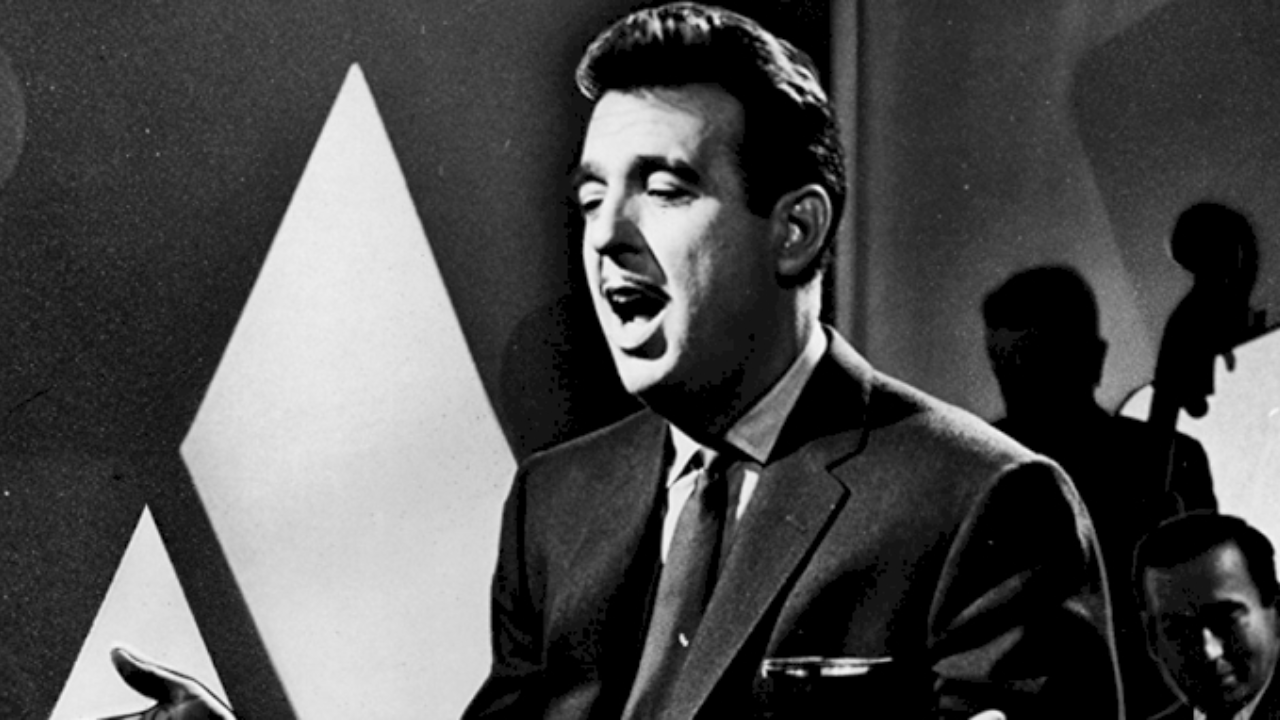
“Mule Train” – Tennessee Ernie Ford (1950)
To fully understand the context of “Mule Train,” it’s crucial to consider the musical landscape of the early 1950s. This was a period of transition and experimentation in American popular music, where the sounds of swing and big band were beginning to give way to new genres and styles. Country music, in particular, was expanding…
-
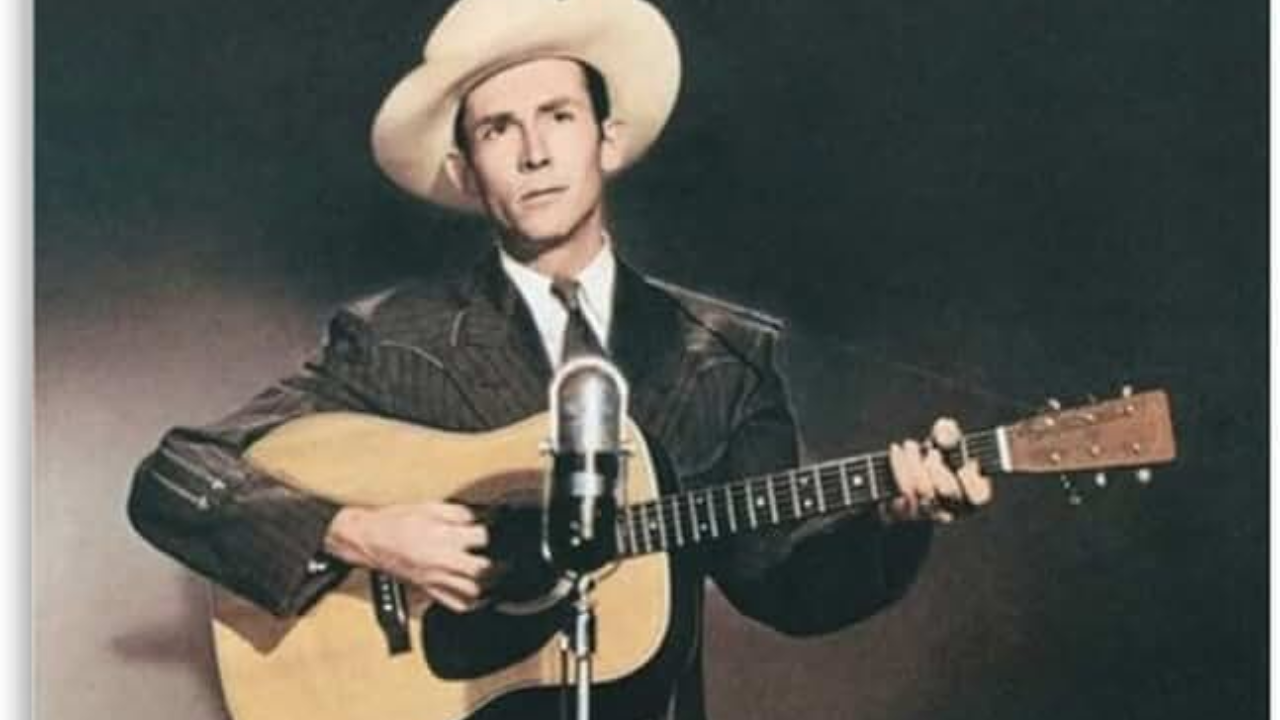
“Take These Chains from My Heart” – Hank Williams (1953)
To truly understand the significance of “Take These Chains from My Heart,” it’s essential to consider the context of its creation and the circumstances surrounding its release. The early 1950s were a pivotal time for country music, and Hank Williams was at the forefront of its transformation. He was a complex and troubled figure, yet…
-
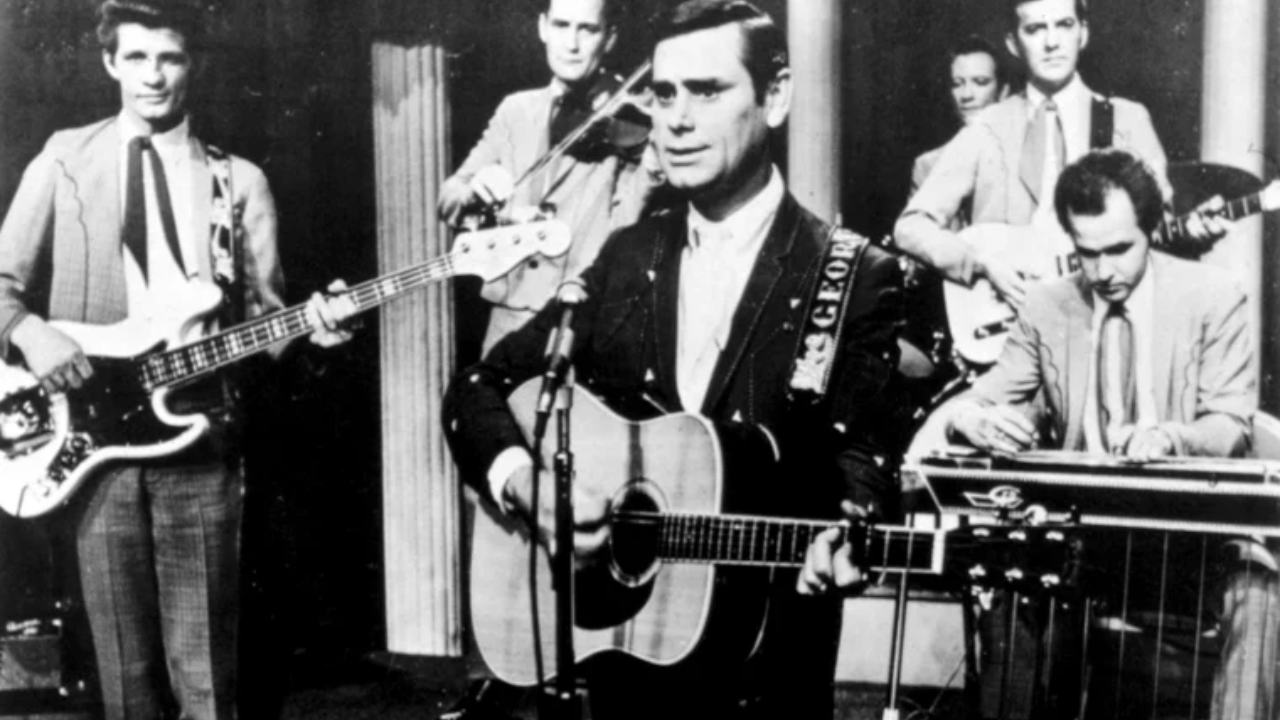
“Why Baby Why” – George Jones (1955)
To truly appreciate “Why Baby Why,” we need to understand the landscape of country music in the mid-1950s. The genre was undergoing a transformation, moving away from the smooth, crooning styles of earlier decades towards a more raw and emotionally charged sound. Honky-tonk music, characterized by its driving rhythms, steel guitar melodies, and lyrics about…
-
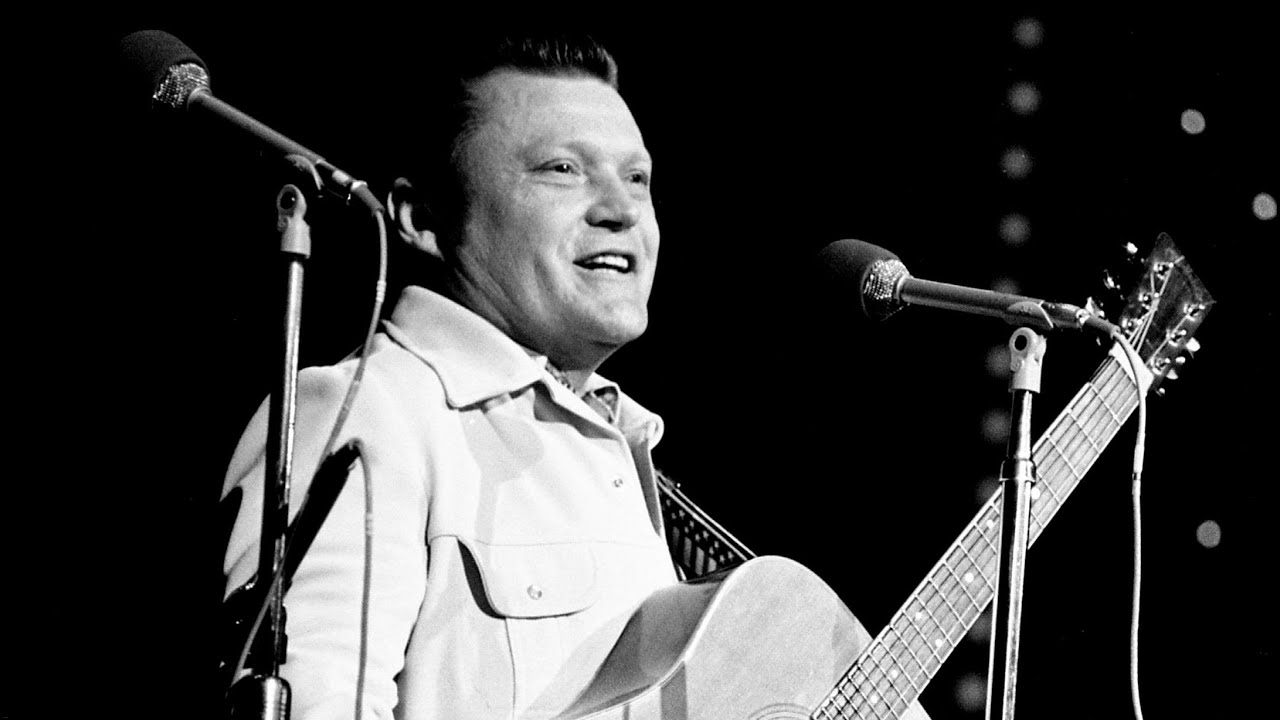
“Waterloo” – Stonewall Jackson (1959)
To fully appreciate “Waterloo,” it’s crucial to understand the context of its creation. The late 1950s were a period of significant change in American music. Rock and roll was exploding onto the scene, challenging the dominance of established genres like country. However, country music was not standing still; it was evolving, incorporating elements of rockabilly…
-
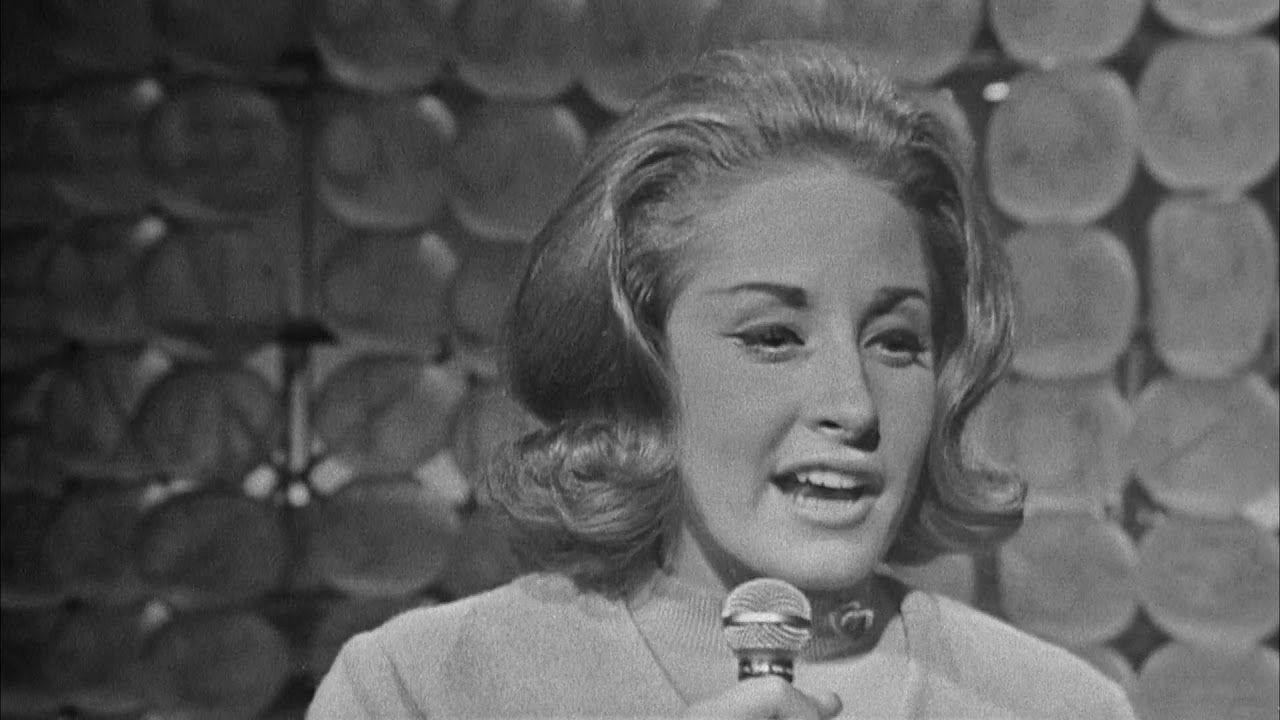
It’s My Party – Lesley Gore
“It’s My Party” wasn’t initially written for Lesley Gore. The song’s origins trace back to 1962 when it was composed by the team of John Gluck Jr., Wally Gold, and Herb Wiener. The trio had several successful collaborations, but “It’s My Party” was envisioned as a potential hit for several artists. The first to record…
-
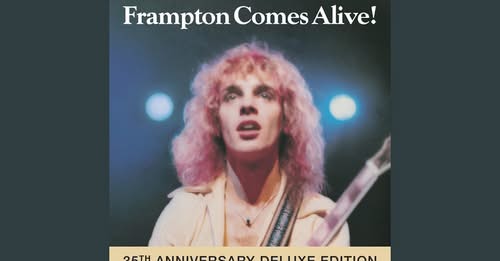
Baby, I Love Your Way (Live) · Peter Frampton
Extended Length: The live version is much longer than the original studio track. This allows for more instrumental interplay and improvisation. Talk Box Magic: The most distinctive feature is the use of the talk box, which gives Frampton’s guitar a vocal quality. It creates those signature “wa-wa” sounds that are instantly recognizable. Audience Participation: The live recording includes…
-
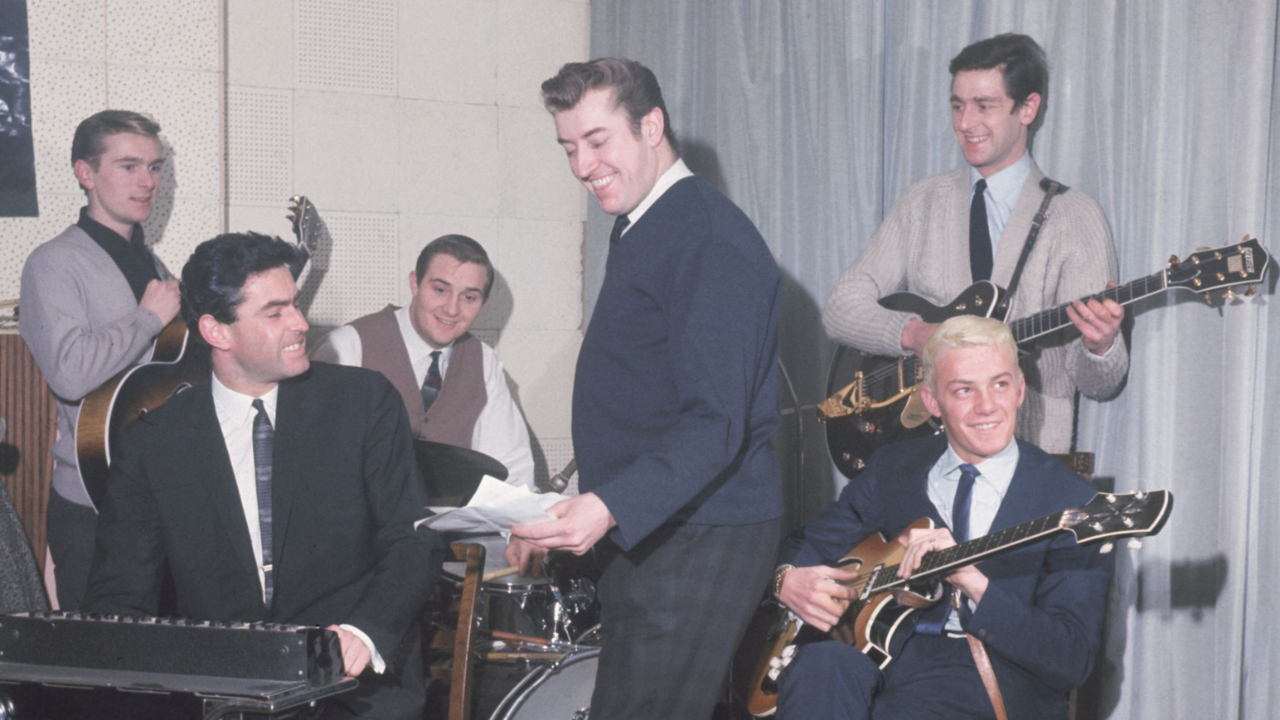
Telstar – The Tornados
“Telstar,” released in 1962, is far more than just a catchy instrumental; it’s a sonic snapshot of a specific moment in time, reflecting the optimism and technological fascination of the early space age. Its creation, success, and lasting impact are intertwined with the unique circumstances surrounding its genesis and the individuals involved. Joe Meek: The…