
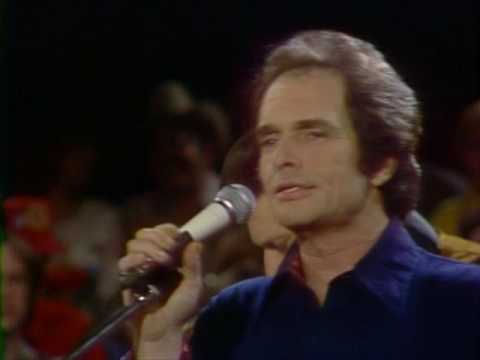
Merle Haggard’s “Cherokee Maiden”: A Timeless Classic in Music History
In the pantheon of country music, few names resonate as profoundly as Merle Haggard. An artist whose work encapsulated the struggles and triumphs of the American experience, Haggard’s contribution to the genre is both vast and influential. Among his many celebrated tracks, “Cherokee Maiden” stands out as a poignant tribute to love, longing, and cultural identity. This article delves into the intricate layers of “Cherokee Maiden,” exploring its significance, artistry, and lasting impact on the music landscape.
Merle Haggard: A Cornerstone of Music
Born on April 6, 1937, in Oildale, California, Merle Haggard rose from humble beginnings to become one of the most iconic figures in country music. His life experiences—marked by poverty, juvenile delinquency, and incarceration—deeply influenced his songwriting and performance style. Haggard’s music often reflected the gritty realities of life, earning him the moniker “The Poet of the Common Man.” He was known for his ability to weave personal stories into universal themes, and his distinct voice and masterful guitar skills set him apart in a crowded field. With hits like “Okie from Muskogee” and “Mama Tried,” Haggard’s legacy is cemented as a cornerstone of country music history.
The Era of “Cherokee Maiden”
“Cherokee Maiden” was released in 1971, during a transitional period in country music where traditional sounds were beginning to blend with the influences of rock and pop. This era saw the rise of the “Bakersfield Sound,” a subgenre characterized by its raw energy and honky-tonk roots, pioneered by artists like Haggard and Buck Owens. The song captures the essence of this time, bringing forth a nostalgic feel that resonates with listeners even today. Its release came at a time when Haggard was solidifying his place in the music industry, and it showcased his ability to stay true to the roots while appealing to a broader audience.
Songwriting Credits and Significance
“Cherokee Maiden” was co-written by the legendary songwriter and musician, Cindy Walker, who was known for her ability to craft poignant narratives and melodies. Walker’s contributions to country music are immense, with numerous hits to her credit, and her partnership with Haggard on this track added a rich layer of depth. The collaboration highlights the song’s significance in showcasing the synergy between two masterful artists. Haggard’s keen storytelling combined with Walker’s melodic sensibilities resulted in a piece that stands the test of time, reflecting the complexities of love and heritage.
The Storyline of “Cherokee Maiden”
The narrative within “Cherokee Maiden” revolves around themes of love and cultural identity. The protagonist expresses a deep longing for a romantic partner who embodies the beauty and strength of Native American heritage. The song paints vivid imagery of a “Cherokee maiden,” symbolizing not just a romantic interest but also a connection to a rich cultural history. This storyline is essential as it brings forth a dialogue about race, identity, and the universal desire for connection. Haggard’s lyrics are imbued with a sense of yearning, making the listener feel the weight of the protagonist’s emotions.
Lyrical and Thematic Analysis
The lyrics of “Cherokee Maiden” are both poetic and poignant. Haggard’s choice of words creates a vivid picture of longing and admiration. The repeated references to the “Cherokee maiden” serve not only as a term of endearment but also highlight the beauty and strength of Native American women. Themes of love, loss, and a yearning for belonging permeate the song, resonating deeply with listeners from various backgrounds. Haggard’s ability to weave personal emotion into a broader cultural narrative showcases his strength as a songwriter and storyteller. The song is a reflection on the complexities of identity and the profound impact of love.
Vocal Delivery and Emotional Interpretation
Merle Haggard’s vocal delivery in “Cherokee Maiden” is nothing short of masterful. His voice, characterized by its rich timbre and emotional depth, brings the lyrics to life. Haggard’s phrasing and intonation convey a sense of vulnerability and sincerity, allowing the listener to feel the weight of his words. This emotional interpretation is a hallmark of Haggard’s style, as he often imbued his performances with genuine feeling and authenticity. The way he navigates the highs and lows of the melody further enhances the song’s emotional impact, making it a memorable listening experience.
Instrumentation and Production Style
The instrumentation in “Cherokee Maiden” reflects the classic country sound that Haggard was known for. The arrangement features a blend of acoustic guitar, steel guitar, and subtle string sections, creating a warm and inviting atmosphere. The production is polished yet retains a sense of authenticity, allowing the song to breathe and resonate with its audience. The instrumentation complements Haggard’s vocals, enhancing the emotional undertones of the song. This balance between vocal performance and musical arrangement is critical in creating a timeless classic that continues to appeal to listeners across generations.
Chart Performance and Cultural Impact
Legacy within Classic Music
As time passes, the legacy of “Cherokee Maiden” continues to grow. It stands as a testament to Merle Haggard’s artistry and his ability to connect with listeners on an emotional and cultural level. The song is frequently included in discussions about the greatest country songs of all time, and it remains a staple in Haggard’s discography. Its themes of love, longing, and identity are timeless, ensuring that “Cherokee Maiden” will resonate with future generations. Haggard’s impact on country music is undeniable, and “Cherokee Maiden” serves as a perfect representation of his genius, solidifying his place in the annals of music history.
In conclusion, “Cherokee Maiden” is not just a song; it is a piece of art that encapsulates the spirit of an era, reflects the complexities of human emotion, and highlights the cultural richness of Native American heritage. Merle Haggard’s masterful storytelling, combined with Cindy Walker’s lyrical brilliance, has created a timeless classic that continues to inspire and resonate. As we listen to this remarkable track, we are reminded of the power of music to connect us to our past, our heritage, and the universal experiences that bind us all.