
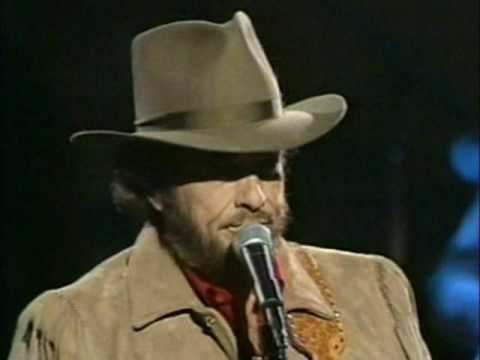
Merle Haggard’s “Twinkle, Twinkle Lucky Star”: A Timeless Classic in Music History
Merle Haggard, a legend in the world of country music, is often celebrated for his poignant storytelling and ability to capture the complexities of the human experience. Among his extensive catalog, “Twinkle, Twinkle Lucky Star” stands out as a track that not only encapsulates his unique style but also resonates with listeners across generations. This song is a testament to Haggard’s songwriting prowess and emotional depth, ensuring its place in the annals of music history.
Merle Haggard: A Cornerstone of Music
Born on April 6, 1937, in Oildale, California, Merle Haggard emerged from humble beginnings to become one of the defining figures in country music. His life experiences, from time spent in juvenile detention to a successful career as a musician, greatly influenced his songwriting. Haggard’s sound, characterized by its blend of traditional country with elements of rock and folk, helped pave the way for future artists. His storytelling ability, coupled with his distinctive voice, earned him admiration from fans and fellow musicians alike.
The Era of “Twinkle, Twinkle Lucky Star”
“Twinkle, Twinkle Lucky Star” was released in 1981 as part of Haggard’s album “Someday We’ll Look Back.” This period in Haggard’s career saw a transition in country music, with artists beginning to incorporate a more polished and mainstream sound. Despite the changing landscape, Haggard managed to maintain his roots while adapting to the evolving genre. The song itself reflects the struggles and dreams of everyday life, themes that have been a hallmark of Haggard’s work.
Songwriting Credits and Significance
The Storyline of “Twinkle, Twinkle Lucky Star”
Lyrical and Thematic Analysis
The lyrics of “Twinkle, Twinkle Lucky Star” are both simple and profound, a hallmark of Haggard’s songwriting. The repetition of the phrase “twinkle, twinkle” evokes a sense of innocence and childhood wonder, contrasting sharply with the themes of heartbreak and longing. The song explores the idea of dreams as guiding lights in times of darkness, suggesting that even in the face of adversity, hope can be found. This thematic richness adds layers of meaning, inviting listeners to reflect on their own experiences.
Vocal Delivery and Emotional Interpretation
Haggard’s vocal delivery in “Twinkle, Twinkle Lucky Star” is nothing short of masterful. His gravelly voice conveys a sense of authenticity and raw emotion, drawing listeners into the narrative. The subtle nuances in his tone—a quiver of vulnerability here, a note of resignation there—add depth to the performance. Haggard’s ability to interpret the lyrics with such heartfelt sincerity ensures that the emotional weight of the song comes through, allowing listeners to connect with the sentiments expressed.
Instrumentation and Production Style
Chart Performance and Cultural Impact
Legacy within Classic Music
“Twinkle, Twinkle Lucky Star” stands as a testament to Merle Haggard’s enduring legacy in the world of music. The song encapsulates the essence of Haggard’s artistry—his ability to convey deep emotions through simple yet poignant lyrics. As both a storyteller and a performer, Haggard has inspired generations of musicians and songwriters. The song’s themes of longing and hope not only reflect Haggard’s personal experiences but also serve as a universal reminder of the power of music to heal and connect.
In conclusion, “Twinkle, Twinkle Lucky Star” is more than just a song; it is a timeless classic that captures the heart of country music. Through Haggard’s masterful songwriting, emotional vocal delivery, and rich instrumentation, the track continues to resonate with audiences, solidifying its place in music history. As we reflect on Haggard’s impact, we are reminded of the enduring power of music to tell our stories, evoke emotions, and inspire hope.