
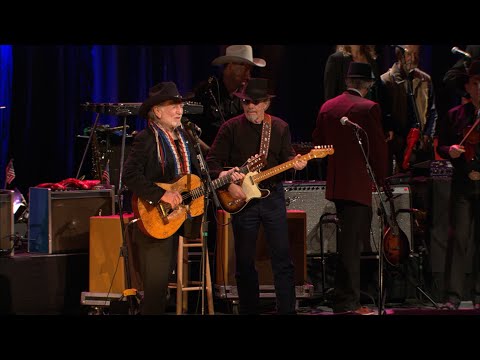
Merle Haggard & Willie Nelson’s “Pancho and Lefty”: A Timeless Classic in Music History
—
In the landscape of American music, certain songs rise above the rest, weaving their way into the fabric of culture and storytelling. One such song is “Pancho and Lefty,” the poignant collaboration between two titans of country music—Merle Haggard and Willie Nelson. Released in 1983, this track has transcended generations, captivating audiences with its rich narrative and emotional depth. In this article, we will delve into the song’s origins, its lyrical beauty, and the lasting legacy it has carved in the music world.
Merle Haggard: A Cornerstone of Music
Merle Haggard was born on April 6, 1937, in Oildale, California, and became one of the most influential figures in country music. His journey from a troubled youth, serving time in prison, to becoming a celebrated artist is a testament to resilience and talent. Haggard’s music often reflected the struggles and stories of everyday life, earning him the title of “The Poet of the Common Man.” With a career spanning over five decades, Haggard produced numerous hits and won multiple Grammy Awards, solidifying his place in the pantheon of American music legends.
Willie Nelson, born on April 29, 1933, in Abbott, Texas, is another cornerstone of the genre. Known for his unique voice and distinctive style, Nelson’s influence extends beyond music into activism and cultural commentary. He co-founded the Farm Aid concert series and has been a vocal advocate for various social causes. With a career that has encompassed everything from traditional country to outlaw country, Nelson has remained an enduring figure, earning accolades and a devoted following.
The Era of “Pancho and Lefty”
“Pancho and Lefty” was released in a time when the country music landscape was evolving. The 1980s saw the rise of the outlaw country movement, which rebelled against the polished sounds of mainstream Nashville. This era was characterized by artists who embraced authenticity, storytelling, and a raw, emotional connection with their audience. Haggard and Nelson, both icons of this movement, embodied the spirit of the time, making their collaboration on “Pancho and Lefty” a natural fit.
The song originated from Townes Van Zandt, a revered songwriter known for his poetic lyrics and melancholic melodies. Van Zandt wrote “Pancho and Lefty” in the early 1970s, but it wasn’t until Haggard and Nelson recorded it that it truly gained widespread recognition. Their rendition infused the song with a unique energy and perspective, introducing it to a new generation of listeners.
Songwriting Credits and Significance
“Pancho and Lefty” was penned by Townes Van Zandt, whose songwriting prowess is often celebrated in folk and country music circles. Van Zandt’s ability to craft vivid narratives through his lyrics has established him as one of the most respected songwriters of all time. “Pancho and Lefty” exemplifies his talent, telling a story that resonates with themes of friendship, betrayal, and the harsh realities of life.
The significance of the song lies not only in its lyrical content but also in the way it captures the essence of the human experience. Haggard and Nelson’s interpretation brought new life to Van Zandt’s work, showcasing their own artistry while honoring the original. The collaboration served as a bridge between generations, introducing Van Zandt’s songwriting to a broader audience and solidifying its place in the country music canon.
The Storyline of “Pancho and Lefty”
The narrative of “Pancho and Lefty” unfolds like a classic Western tale, centering around the characters of Pancho, a Mexican bandit, and Lefty, his American companion. The song paints a vivid picture of their lives, marked by camaraderie and the inevitable betrayals that often accompany such relationships. As the story progresses, we learn of Pancho’s demise at the hands of those he trusted, and Lefty’s subsequent regret for not standing by his friend.
The song’s storyline is rich with imagery, evoking a sense of nostalgia for a bygone era. It captures the essence of loyalty and the harsh realities of life on the fringes, making it relatable to listeners from all walks of life. The interplay between the characters speaks to the complexities of friendship, trust, and the consequences of choices made in desperate circumstances.
Lyrical and Thematic Analysis
The lyrics of “Pancho and Lefty” are a masterclass in storytelling. Van Zandt’s use of vivid imagery and poignant language creates a narrative that resonates deeply with listeners. The themes of loss, betrayal, and the fleeting nature of life are woven throughout the song, inviting listeners to reflect on their own experiences and relationships.
Lines such as “Pancho was a bandit, boys, his horse was fast as polished steel” immediately draw the listener into the story, setting the stage for the unfolding drama. The contrast between the romanticized image of the outlaw and the grim reality of his fate adds a layer of complexity to the narrative. The refrain, with its haunting melody, reinforces the sadness that permeates the song, leaving a lasting emotional impact.
Vocal Delivery and Emotional Interpretation
The vocal delivery by Haggard and Nelson is a crucial element in the song’s emotional resonance. Haggard’s deep, weathered voice complements Nelson’s softer, more ethereal tones, creating a dynamic interplay that enhances the storytelling. Their harmonies blend seamlessly, allowing the listener to feel the weight of the narrative while also celebrating the beauty of their musical partnership.
Haggard’s authoritative vocal style adds a sense of gravitas to the lyrics, while Nelson’s nuanced delivery introduces a layer of vulnerability. Together, they evoke a powerful emotional response, allowing listeners to connect with the characters on a personal level. The sincerity in their voices transforms the song into a timeless reflection on friendship and loss.
Instrumentation and Production Style
The instrumentation in “Pancho and Lefty” is both understated and impactful. The arrangement features acoustic guitars, a gentle rhythm section, and subtle touches of steel guitar, creating a soundscape that complements the lyrical content. The production style is reminiscent of the outlaw country movement, favoring authenticity over polish, which aligns with the song’s themes of raw emotion and storytelling.
The simplicity of the arrangement allows the vocals and lyrics to take center stage, drawing the listener into the narrative without distraction. This approach enhances the song’s emotional weight, allowing the audience to fully engage with the story being told. The production captures the essence of the era while still feeling timeless, further solidifying “Pancho and Lefty” as a classic.
Chart Performance and Cultural Impact
“Pancho and Lefty” was released as part of the album of the same name, which became a commercial success, reaching the top of the country charts. The song itself garnered significant attention, climbing the charts and becoming a staple in Haggard and Nelson’s repertoires. Its success contributed to the resurgence of interest in storytelling within country music, paving the way for future artists to explore similar themes.
The cultural impact of “Pancho and Lefty” extends beyond its chart performance. The song has been covered by numerous artists across various genres, solidifying its status as a classic. It has been featured in films, television shows, and live performances, further embedding it in the collective consciousness of American music. The song’s themes of loyalty and betrayal resonate universally, making it a timeless piece that continues to find relevance in contemporary culture.
Legacy within Classic Music
The legacy of “Pancho and Lefty” is profound. It stands as a testament to the power of storytelling in music, showcasing the artistry of both Haggard and Nelson while paying homage to the songwriting genius of Townes Van Zandt. The song has become a rite of passage for aspiring musicians and songwriters, often covered in performances to honor its rich narrative and emotional depth.
Moreover, “Pancho and Lefty” has influenced countless artists, from country to rock, highlighting its versatility and universal appeal. It serves as a reminder of the importance of authentic storytelling in music, encouraging artists to draw from their own experiences and emotions. The song’s enduring popularity is a testament to its timeless quality, ensuring that it will continue to resonate with audiences for generations to come.
In conclusion, “Pancho and Lefty” remains a shining example of the artistry and emotional depth that can be achieved in music. Merle Haggard and Willie Nelson’s collaboration on this timeless classic has left an indelible mark on the landscape of country music, inviting listeners to reflect on the complexities of friendship, betrayal, and the human experience. Its legacy endures, reminding us of the power of a well-told story and the beauty of music that transcends time and place.