
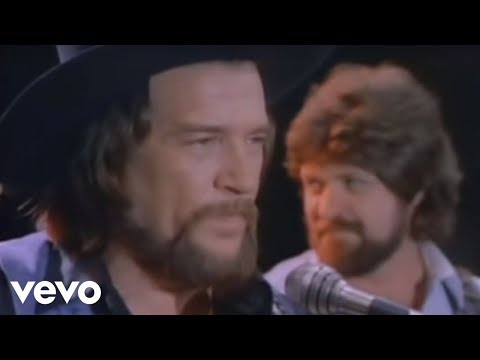
Waylon Jennings’ “Never Could Toe the Mark”: A Timeless Classic in Music History
Waylon Jennings, a name synonymous with outlaw country, has left an indelible mark on the music landscape. Among his many contributions to the genre, “Never Could Toe the Mark” stands out as a quintessential expression of his artistry. Released during a transformative period in country music, this song encapsulates the raw emotion and rebellious spirit that characterized Jennings’ style. In this article, we will delve deep into the nuances that make “Never Could Toe the Mark” a timeless classic, exploring its background, themes, and impact on music history.
Waylon Jennings: A Cornerstone of Music
Waylon Jennings was born on June 15, 1937, in Littlefield, Texas. His musical journey began at a young age, and by the 1960s, he was already making waves with his unique blend of country, rock, and folk influences. Jennings was a pioneer of the “outlaw country” movement, which sought to break free from the polished production and mainstream tropes of Nashville. He collaborated with fellow legends like Willie Nelson, Johnny Cash, and Kris Kristofferson, solidifying his place as a cornerstone of American music.
In the 1970s, Jennings released a series of critically acclaimed albums and singles, each showcasing his distinctive voice and storytelling prowess. His willingness to address themes of love, loss, and rebellion resonated deeply with audiences, ensuring his legacy would endure long after his passing in 2002. “Never Could Toe the Mark,” released in 1975 as part of the album “Dreaming My Dreams,” is a testament to Jennings’ enduring influence and creativity.
The Era of “Never Could Toe the Mark”
The mid-1970s was a pivotal time in country music, marked by a shift towards a more raw and authentic sound. Artists like Jennings were pushing against the conventions of the genre, favoring personal expression over commercial viability. “Never Could Toe the Mark” emerged from this fertile ground, reflecting the struggles and aspirations of a generation seeking to carve out their identities in a rapidly changing world.
During this time, Jennings and his contemporaries were redefining the boundaries of country music. The outlaw movement was characterized by a rejection of the Nashville establishment, and Jennings’ music often embodied themes of rebellion and individuality. “Never Could Toe the Mark” is emblematic of this era, capturing the essence of a man grappling with his place in a world that often felt at odds with his values.
Songwriting Credits and Significance
The significance of “Never Could Toe the Mark” lies not only in its lyrical content but also in the way it captures the spirit of a time when artists were beginning to reclaim their narratives. The song’s candid portrayal of struggle and vulnerability resonates with listeners, making it a standout track in Jennings’ discography.
The Storyline of “Never Could Toe the Mark”
At its core, “Never Could Toe the Mark” tells the story of a man reflecting on his life choices and the societal expectations he has failed to meet. The protagonist grapples with feelings of inadequacy and disillusionment, conveying a sense of longing for acceptance and understanding. The lyrics paint a vivid picture of a life lived on the fringes, filled with moments of both regret and defiance.
The narrative is universal in its appeal, as it speaks to the human experience of feeling out of place in a world that often demands conformity. Jennings’ interpretation of the storyline adds depth to the song, allowing listeners to connect on a personal level with the character’s struggles. The relatable nature of the lyrics has contributed to the song’s lasting impact, ensuring that it resonates with new generations of music lovers.
Lyrical and Thematic Analysis
The lyrics of “Never Could Toe the Mark” are a masterclass in storytelling, weaving together themes of self-identity, societal pressure, and the quest for authenticity. Jennings’ delivery enhances the emotional weight of the words, inviting listeners to immerse themselves in the narrative. The recurring refrain captures the essence of the protagonist’s struggle, echoing the sentiment that despite efforts to conform, he ultimately remains true to himself.
Throughout the song, imagery of loneliness and isolation is prevalent, highlighting the internal conflict faced by the character. Lines that speak of “never quite fitting in” resonate with anyone who has felt like an outsider, making the song timeless in its relatability. The themes of rebellion and self-acceptance are central to Jennings’ body of work, and “Never Could Toe the Mark” exemplifies these motifs beautifully.
Vocal Delivery and Emotional Interpretation
Waylon Jennings’ vocal delivery in “Never Could Toe the Mark” is nothing short of captivating. His rich, baritone voice conveys a sense of authenticity and vulnerability, drawing listeners into the emotional core of the song. Jennings’ ability to infuse his performance with genuine feeling allows the audience to connect with the protagonist’s struggles on a profound level.
The nuances in his vocal phrasing, combined with the rawness of his tone, create an atmosphere that feels intimate and personal. Jennings’ emotive interpretation of the lyrics enhances the storytelling aspect of the song, making it a powerful experience for listeners. His delivery exemplifies the hallmark of great country music: the ability to convey deep emotions through both words and voice.
Instrumentation and Production Style
The instrumentation of “Never Could Toe the Mark” complements Jennings’ vocal performance, creating a soundscape that is both lush and grounded. The arrangement features traditional country elements, including acoustic guitar, electric guitar, bass, and drums, contributing to the song’s overall feel. The production style reflects the outlaw country movement, with a more stripped-down approach that emphasizes the rawness of the music.
The interplay between the instruments enhances the emotional depth of the song, allowing Jennings’ voice to remain at the forefront. The subtle yet effective instrumentation creates a backdrop that supports the lyrical content without overshadowing it. This balance is a hallmark of Jennings’ work, showcasing his ability to craft songs that resonate both musically and emotionally.
Chart Performance and Cultural Impact
The cultural impact of “Never Could Toe the Mark” extends beyond its chart performance. The song has been covered by numerous artists and remains a staple in the country music repertoire. Its themes of rebellion and self-acceptance continue to resonate with audiences today, making it a relevant anthem for those navigating their own struggles with identity and conformity.
Legacy within Classic Music
Waylon Jennings’ “Never Could Toe the Mark” has secured its place in the pantheon of classic country music. The song’s enduring appeal lies in its ability to transcend time, connecting with listeners across generations. Jennings’ contributions to the genre have paved the way for countless artists, and “Never Could Toe the Mark” stands as a testament to the power of authentic storytelling in music.
As we reflect on the legacy of Jennings and his work, it becomes clear that “Never Could Toe the Mark” is more than just a song; it is a cultural artifact that encapsulates the struggles and triumphs of the human experience. Its themes of individuality, vulnerability, and rebellion resonate with anyone who has ever felt out of place, making it a timeless classic that will continue to inspire and connect with audiences for years to come.
“`